Technical reference
A1/A2 Milk Testing & RT-PCR Verification
A technical page for QA and procurement teams: what the A1 and A2 β-casein variants are, how we use in-house RT-PCR to check A1/A2, and where RT-PCR verification ends and milk protein analysis begins.
- In-house RT-PCR
- Documented workflow
- Method limits stated
What A1 and A2 mean
β-casein is one of the principal casein proteins in bovine milk. It occurs in several genetic variants; A1 and A2 are the two most relevant commercially. The variants differ by a single amino acid in the β-casein chain — histidine in A1, proline in A2.
Because the difference is genetic, the variants an animal produces are fixed for that animal. Milk pooled from many animals reflects the A1/A2 make-up of that pool.
In-house RT-PCR capability
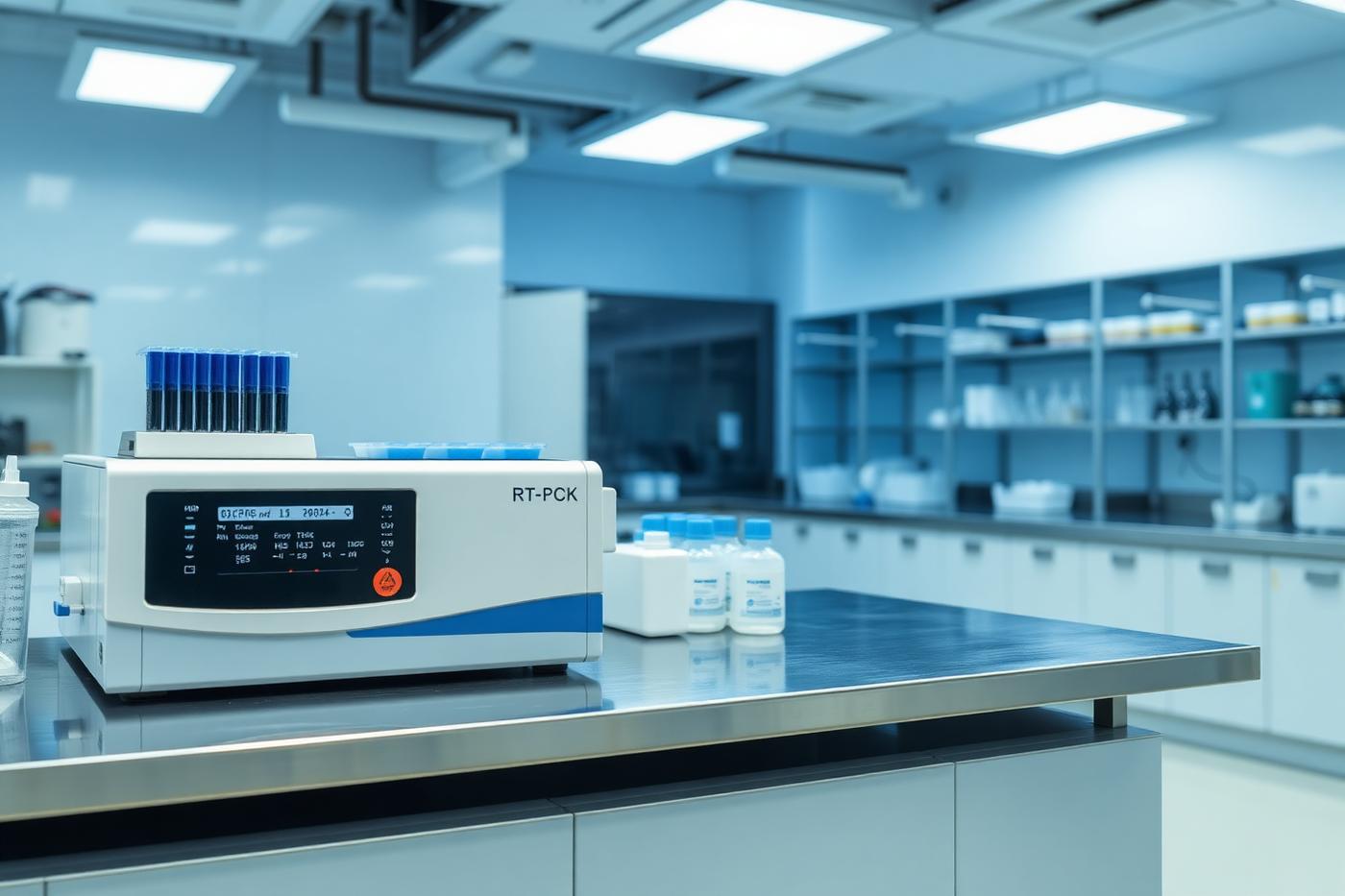
We operate a real-time PCR facility and use RT-PCR to check A1/A2 in the animals in our sourcing pools. Each animal's A1/A2 status is determined and recorded against its identification, so the composition of a sourcing pool is documented rather than assumed.
RT-PCR A1/A2 verification vs milk protein composition testing
This distinction is the most commonly misused point in A2 marketing, so we state it plainly:
- RT-PCR A1/A2 checking (DNA-based): establishes which β-casein variant an animal carries. Aggregated across a herd, it establishes the A1/A2 composition of a sourcing pool.
- Milk protein composition testing: characterises the β-casein variants actually present in a milk sample, using protein-level analytical methods. This is a different question requiring different instrumentation.
RT-PCR does not, on its own, quantify the β-casein variant ratio of a tanker of milk. Where a buyer requires lot-level protein characterisation, it is contracted as a separate specification parameter with its own stated method.
Sampling and documentation
Animal samples are collected against tag or registration numbers with a chain-of-custody record. RT-PCR results are stored against those identifiers and reconciled against the collection centres feeding each supply programme. Batch documentation issued with a despatch references the verification status of the sourcing pool alongside the compositional and hygiene results for that lot.
Workflow
Batch testing workflow
- STEP 01
Pool definition
Collection centres and herds are allocated to a supply programme and the animal register for that pool is fixed.
- STEP 02
Animal sampling
Samples are collected against recorded animal identifiers with chain-of-custody documentation.
- STEP 03
RT-PCR A1/A2 checking
DNA extraction, quality check and RT-PCR amplification to determine each animal's A1/A2 status.
- STEP 04
Result recording
Each animal's A1/A2 status is recorded against the animal register and aggregated to a pool composition.
- STEP 05
Batch analysis
Each despatch lot separately undergoes compositional, keeping-quality and hygiene testing.
- STEP 06
Documentation release
The COA reports batch results; the pool verification status is reported alongside it under its own method statement.
Scientific position
On health claims
Research comparing A1 and A2 β-casein continues and conclusions are not settled. We make no medical or nutritional claims about A2 milk. Our documentation covers sourcing basis, verification method and analytical results — nothing beyond that.
Talk to our procurement team
Discuss an A1/A2 verification protocol
Share your daily or monthly volume, breed preference, destination and quality specification. Our procurement team responds with an indicative commercial proposal and a sample Certificate of Analysis.